Feeds:
Posts
Comments

Archive for the ‘renewable energy’ Category

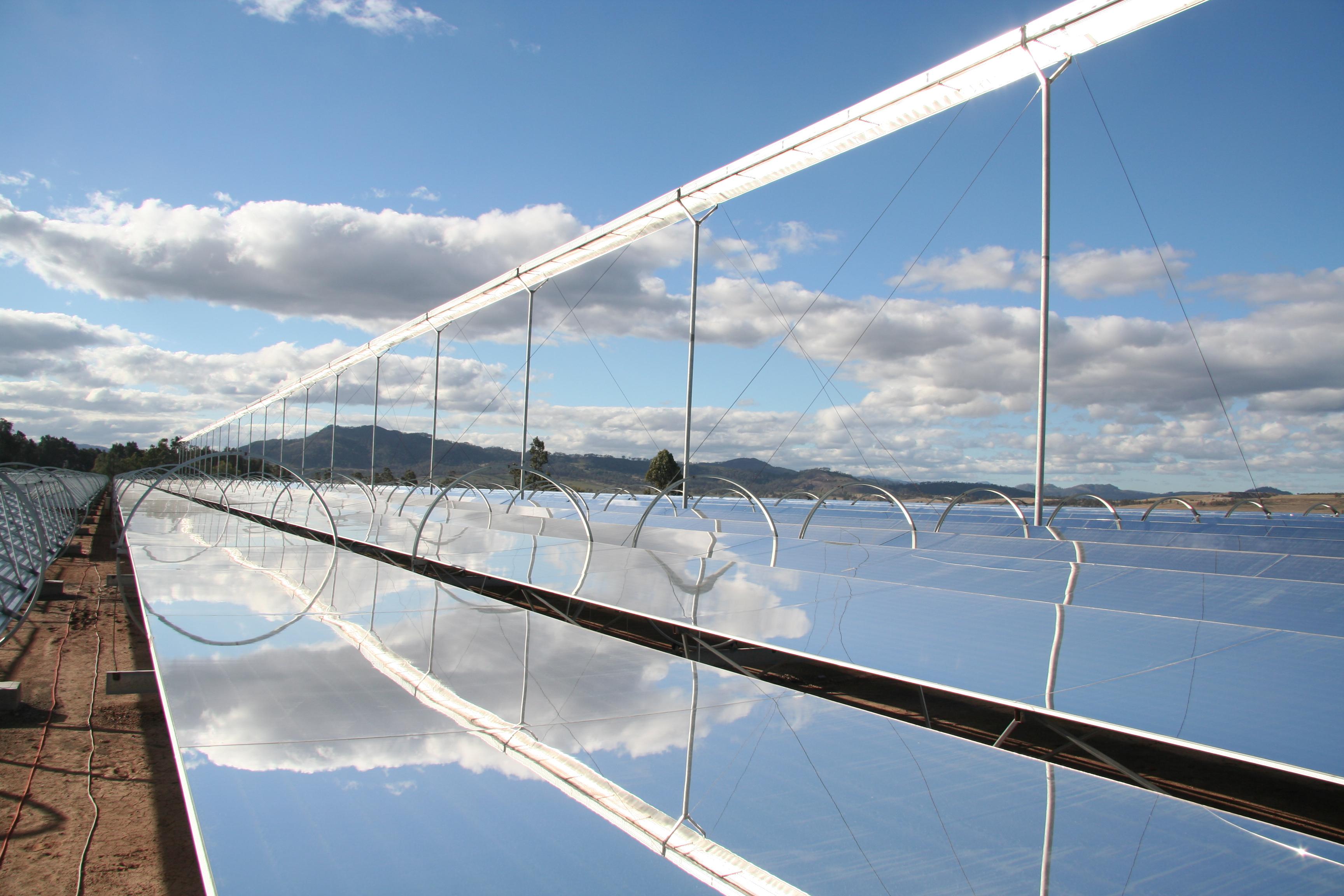
schott.jpegBig Solar has been about Big Dreams – fields of mirrors carpeting the desert to produce clean, greenhouse-gas free electricity. But in another step toward making that vision a concrete-and-glass reality, Schott Solar announced Monday that it is building a factory in Albuquerque, N.M., to manufacture components for large-scale solar thermal power plants as well as photovoltaic modules for commercial rooftop arrays.

The German company’s news follows Silicon Valley solar startup Ausra’s announcement last month that it’s building a solar thermal factory in Nevada — the first in North America.

That solar companies are now investing capital to break ground on manufacturing plants represents the creation of a Big Solar infrastructure and, of course, a move to get on the ground floor of what is expected to be a solar building boom in the sun-drenched Southwest of the United States. Utilities throughout the region are facing mandates to dramatically increase their use of renewable energy. In California, for instance, PG&E (PCG), Southern California Edison (EIX) and San Diego Gas & Electric (SRE) are all negotiating big megawatt contracts for utility-scale solar power thermal power plants. A consortium of Southwest utilities meanwhile has put out to bid a 250-megawatt solar station.

“We certainly see the opportunity for growth in the solar thermal market,” Mark Finocchario, CEO of Shott’s North American operations, told Green Wombat. “The concentration of solar thermal plants will be in the Southwest and we see that’s where the rest of the supply market will develop as well. But we would have the ability to ship product to anywhere in the world.”

The $100 million Albuquerque factory will manufacture solar thermal receivers — long tubes that hang over curved mirrors called solar troughs. The mirrors focus the sun’s rays on the receivers and liquid inside becomes superheated to produce steam that drives electricity-generating turbines.

Finocchario says the the plant, which will employ 350 people, is set to go online by the end of the first quarter of 2009. Future plans call for another $400 million investment to expand the factory’s workforce to 1,500.

Read Full Post »

serpa2.jpg

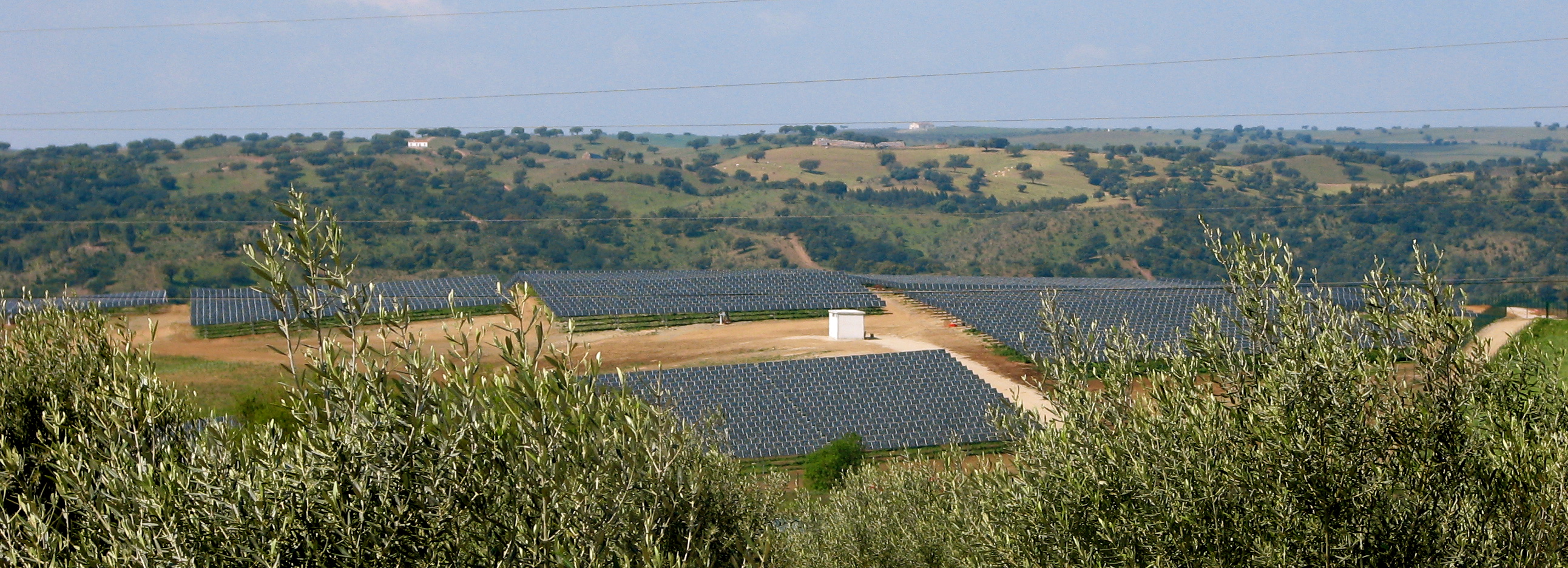
Another day, another new solar power plant. At least that’s the way it seems, given SunPower’s recent spate of deals to build multi-megawatt photovoltaic solar power stations. The latest came Friday when the Silicon Valley solar panel maker announced a contract to construct an 8-megawatt solar power plant in Spain. The agreement follows a November deal for three other solar power stations in Spain totaling 21 megawatts. That in turn was preceded by an October announcement of a contract for a 18-megawatt plant in — where else — Spain.

See a pattern here? SunPower (SPWR) now has solar power plants totaling more than 100 megawatts built or under contract in Spain. Plus it constructed an 11-megawatt solar power station in neighboring Portugal and a 10-megawatt plant in Germany. It’s sole PV power plant in the United States is a 15-megawatt station at Nellis Air Force Base outside Las Vegas.

It’s no accident that SunPower has set its sights on Spain and other European markets. Spain and Portugal, for instance, offer simple so-called feed-in-tariffs that pay solar power plant operators a premium rate — typically for 15 to 20 years — for producing renewable energy. That makes the economics of financing and building solar power plants relatively straightforward in contrast to the patchwork of short-term state and federal green energy incentives in the U.S. (Witness the current upheaval in the industry over the crucial solar investment tax credit that expires at the end of 2008, and which Congress neglected to extend in the recently enacted energy bill.)

No wonder Europe is attracting renewable energy financiers like GE Energy Financial Services (GE), which financed SunPower’s Portugal plant (pictured above). “We truly believe utility-scale solar will be an incredible opportunity,” Kevin Walsh, managing director of GE Energy Financial Services, told Green Wombat at the opening of the Portugal plant last March. (That’s not to say that companies like GE don’t see opportunity in the U.S. market. Just this morning, SunPower announced that GE Energy Financial Services will finance and own five 1-to-2.4-megawatt commercial solar arrays in California being installed by SunPower for Toyota (TM), Hewlett-Packard (HPQ), Agilent, Lake County, and the Rancho California Water District.)

The built-in profit margin for solar in Spain and Portugal also makes photovoltaic power plants viable. PV plants are essentially residential rooftop solar arrays writ large that track the sun and convert sunlight that strikes silicon-based cells directly into electricity. But silicon is expensive and solar panels are relatively inefficient. So absent subsidies like feed-in tariffs, few PV power stations have been built in the U.S., which has focused on large-scale solar thermal power plants that use mirrors to heat water or other liquids to create steam that drives electricity-generating industrial turbines. The beauty — literally – of a PV plant is that it contains virtually no moving parts or bulky power blocks that contain turbines and other machinery. That means they can be built closer to urban areas and used to shoulder the load from overburdened utility substations.

Even solar panel installers are striking deals overseas. Silicon Valley-based solar installer Akeena (AKNS), for instance, developed a new solar panel system called Andalay that cuts the cost of installation for homes and businesses. The company contracted with China solar panel giant Suntech (STP) to manufacture Andalay, which will also sell the panel in Europe, Japan and Australia.

Read Full Post »

ausra-16.jpgBig Solar is on a roll in California.

For the second time in seven weeks, the California Energy Commission has voted to accept an application for a massive megawatt solar power plant. The commission on Wednesday certified as “data adequate” Silicon Valley startup Ausra’s application to build a 177-megawatt solar on the state’s central coast. That means Ausra’s Carrizo Energy Solar Farm has cleared a significant regulatory hurdle and the commission will begin a year-long review process. If all goes well, construction will begin in 2009 and the plant will start producing electricity in 2010. (To get an idea of the complexity of the California licensing process and why the acceptance of an application is a big deal, you just need to scan Aura’s 1,000-page application package.

The Ausra move follows the commission’s Oct. 31 vote to greenlight for review BrightSource Energy’s planned 400-megawatt power station complex to be built in the Mojave Desert on the Nevada border.

Ausra, backed by A-list venture capitalists Vinod Khosla and Kleiner Perkins Caufield & Byers, has signed a 20-year power purchase agreement with utility giant PG&E (PCG) for the greenhouse gas-free electricity generated by the Carrizo plant in eastern San Luis Obispo County. BrightSource (backed by Morgan Stanley (MS) and VantagePoint Venture Partners), meanwhile, continues to negotiate with the utility for a 500-megawatt power purchase deal.

Read Full Post »

finavera-aquabuoy.jpg

An offshore wave farm will supply Californians with clean green electricity generated by the ocean, under a first-of-its-kind power purchase agreement that utility PG&E will announce Tuesday morning.

The giant San Francisco-based utility has signed a long-term contract to buy 2-megawatts of electricity from Finavera Renewables’ wave-energy power plant, to be built off the Northern California coast. The Vancouver company intends to eventually expand the Humboldt County project into a 100-megawatt “wave park.” It is likely to be the first of a score of floating power stations dotting California’s 1,100-mile coastline in the coming years, judging by the stack of applications for such wave farms on file at the Federal Energy Regulatory Commission.

“This power purchase agreement is extremely significant and reflects the massive potential for wave power as a renewable source of energy in the future,” says PG&E spokesman Keely Wachs. Like the Golden State’s other big investor-owned utilities — Southern California Edison (EIX) and San Diego Gas & Electric (SRE) — PG&E (PCG) must obtain 20 percent of its electricity from renewable sources by 2010 and 33 percent by 2020.

“The California market is huge for wave energy,” Finavera CEO Jason Bak told Fortune’s Green Wombat. “This is the first power purchase agreement with a large utility, and we see this as being one of the key components to commercializing wave energy technology.”

The ocean as potential source of greenhouse gas-free power is tremendous: The energy locked up in the surf rolling toward the California coast is equivalent to some 37 gigawatts — enough to light nearly 30 million homes — according to PG&E. And unlike the sun and wind, waves can generate electricity 24/7. But the technology to tap all that water-borne power and deliver it at competitive prices remains in the start-up phase.

PG&E and Finavera would not disclose the terms of the power purchase agreement. But Bak acknowledged that the key challenge he and other wave-energy companies face is “advancing the technology to the stage where we have a near-commercial technology.”

Finavera plans to deploy strings of connected wave-energy converters that it calls AquaBuoys. As waves roll past an array of AquaBuoys connected to an onshore station by an undersea cable, two-stroke hose pumps convert their energy into pressurized seawater that drives electricity-generating turbines. According to filings Finavera has made with the Federal Energy Regulatory Commission, a fully built-out 100 megawatt Humboldt wave farm would consist of 200 to 300 AquaBuoys floating on a two-square-mile site about two to three miles off the town of Trinidad. The initial phase of the project is expected to go online in 2012 and will use eight AquaBuoys.

While PG&E is merely dipping its corporate toe in the wave-energy waters with a relatively small 2-megawatt power purchase agreement, the deal with Finavera is likely to intensify efforts to stake claims on the best stretches of coast.

PG&E itself earlier this year unveiled its WaveConnect project to build two 40-megawatt wave farms, one off Humboldt and the other off the Mendocino County coast. Chevron (CVX) dived in last July with a plan for a Humboldt wave farm to be built by Scotland’s Ocean Power Delivery — now called Pelamis Wave Power — before abruptly pulling its application a month later.

Over the past two months there’s been a new flurry of applications. New Jersey’s Ocean Power Technologies (OPTT) in November filed for a FERC permit for a 20-megawatt “wave energy park” to be located off the Humboldt coast. And a newcomer to the wave energy business called GreenWave Energy Solutions has filed permit applications for wave farms off Mendocino and the Central Coast town of Moro Bay in San Luis Obispo County. (The Thousand Oaks, Calif., company lists a San Francisco attorney as its president and it was registered by a Southern California developer.)

Before Finavera can begin construction of the Humboldt wave farm, it must first spend two to three years completing environmental impact studies and negotiating with local, state and federal regulators. While obtaining financing for wave-energy projects using untried technology is difficult, Finavera will have one advantage over its competitors: a long-term power purchase agreement with one of the United States’ largest utilities.

“This PPA is a vote of confidence from PG&E that we can get the project done,” says Bak.

Read Full Post »
Img_3007
photo: green wombat

California is looking to tap green energy projects in bordering states to meet its ambitious renewable energy targets. The California Public Utilities Commission last week approved a $6 million study to consider the feasibility of building new transmission lines to transmit green electricity from solar power stations and wind farms that could be built in isolated areas of the state as well as in Nevada and Arizona. The move is good news for solar entrepreneurs hoping to develop power plants in the sunny triangle of Arizona, California and Nevada.

The region boosts some of the best solar resource in the country but faces the conundrum that renewable energy-rich areas often are far off the grid. By locating such projects across the California border, developers can avoid the state’s intensive regulatory process while reaping the benefits of selling it green power. California utilities are under the gun to obtain 20 percent of their electricity from renewable sources by 2010 and 33 percent by 2030. Adding to the pressure, regulators earlier this year barred utilities from signing long-term contracts with out-of-state coal-fired power plants, which provide about 20 percent of California’s electricity.

"Many renewable resource areas are located far from the grid and load centers and often require extensive and expensive transmission upgrades," the commission stated.

The CPUC is a member of California Renewable Energy Transmission Initiative, a consortium of state energy agencies. "Meeting California’s renewable policy goals will require rapid development of renewable resource areas throughout the state and possibly in adjoining states,"  states the group. "It will also require the construction of new transmission infrastructure to deliver energy from those renewable resource areas to the electric grid."

Southern California Edison (EIX) lead the study, which is backed by the state’s other big utilities, PG&E (PCG) and San Diego Gas & Electric (SRE). Also on board are renewable energy companies like BrightSource Energy and Solel, both of which are set to build large-scale solar power plants for PG&E.

Read Full Post »

Power_lines
photo: runs brooklyn

California utilities’ appetite renewable energy has spawned big opportunities for solar startups, wind farm operators and other green power providers. But those companies face a huge hurdle: the best sun and wind are often in areas away from transmission lines, and the high cost of connecting a renewable energy plant to the grid can strangle a startup.  But yesterday the Federal Energy Regulatory Commission, or FERC, approved California’s plan to spread those connection costs among the state’s utilities until a green power station is up and running and generating revenue as well as electricity. That ruling should speed the development of renewable energy in California – and elsewhere – as well as make it easier for green power startups to obtain financing for their projects so they can secure renewable energy contracts with PG&E (PCG), Southern California Edison (EIX) and San Diego Gas & Electric (SRE).  "Growing concerns about losing ground toward a goal of U.S. energy independence, environmental sustainability, and climate change have heightened interest in harnessing renewable energy resources as a response to there critical issues," said FERC commissioner Suedeen Kelly in a statement. "The successful integration of renewable energy generation into large power systems if fundamental to successfully addressing energy independence, environmental sustainability and climate change concerns."

Read Full Post »

Oakland_skylineoakland photo: in2jazz

Which of the United State’s 50 biggest cities is the greenest when it comes to using renewable energy?  Portland, Oregon? San Francisco, perhaps? Seattle?  Nope. The top spot goes to Oakland, the city across the Bay  from San Francisco whose gritty reputation belies its crunchy environmental policies. Oakland gets 17 percent of its electricity from renewable sources such as geothermal, solar and wind, according to SustainLane, a San Francisco firm that compiles data on government sustainability initiatives.  Three other California cities tied for second place with 12 percent of their electricity generated from renewable sources: San Francisco, San Jose and Sacramento.

Here’s the rest of the list:

  • Portland, Oregon: 10 percent
  • Boston: 8.6 percent
  • San Diego: 8 percent
  • Austin: 6 percent
  • Los Angeles: 5 percent
  • Minneapolis: 4.5 percent
  • Seattle: 3.5 percent
  • Chicago: 2.5 percent

It’s no accident that six of the top cities are in California. The Golden State has set aggressive renewable energy portfolio standards for its three big investor-owned utilities – PG&E (PCG), Southern California Edison (EIX) and San Diego Gas & Electric (SRE). And city-owned utilities like the Sacramento Municipal Utility District have been green-energy pioneers. One city to watch is Austin. The Texas capital’s government has committed itself to going carbon neutral by 2020, and its municipal owned utility – Austin Energy, a leader in renewable energy – has been given a mandate to generate 100 megawatts of solar power and make all new plants zero emission.


Read Full Post »

175821236_740789346b_b_3

photo: ririchen06

The corporate headquarters of a state-regulated utility would seem to be an unlikely place for green tech entrepreneurs to strike gold. But as global warming worries grow and regulators require utilities to obtain more electricity from renewable sources, the industry is turning to startups to meet those mandates. And so the scene this week at PG&E (PCG) in San Francisco, where California’s largest utility held a bidder’s conference for companies wanting to make offers to provide between 80 and 800 megawatts of clean, green energy. Like the other investor-owned California utilities – Southern California Edison (EIX) and San Diego Gas & Electric (SRE) – PG&E must get 20 percent of its electricity from renewable sources by 2010. The quote rises to 30 percent by 2030. What’s more, California regulators – laying the groundwork for the state’s coming cap on greenhouse gas emissions – have barred the utilities from signing long-term contracts for the purchase of “dirty power” from out-of-state coal-fired plants. That means another 20 percent of California’s electricity will have to be replaced. No surprise there’s a land rush on to lock up solar, wind, biomass and geothermal resources.

“We’re open to any and all offers,” a PG&E exec told about 60 people from a host of renewable energy companies who gathered in the utility’s auditorium on Tuesday to hear the opportunities – and not insignificant hurdles – to winning a contract. Want to build a solar power plant in Arizona and ship the electrons to Northern California? Not a problem. PG&E will also consider signing long-term power purchase agreements with the option to buy your wind farm, solar power station or biomass plant. It will also accept proposals for “turn-key ownership” – you build it, the utility buys it. Got a good piece of land for a renewable energy project? PG&E might purchase the development rights.

This is PG&E fourth annual request for offers – last year it signed a 500-megawatt solar power plant deal with Bright Source Energy – and it will finalize contracts by the end of 2007 after narrowing applicants to a short list this summer. The upside for green tech startups: a guaranteed price for the electricity produced over the term of a 10-to-20 year contract. The downside: the time and cost of securing approval for a wind farm or solar power plant from an alphabet soup of regulatory agencies – the CPUC (California Public Utilities Commission, the CEC (California Energy Commission) and FERC (Federal Energy Regulatory Commission)- to name a but a few.  Not to mention the penalties you’ll incur from the utility if your technology doesn’t deliver the power as promised.

Still, there appears to be no shortage of interest from green power companies in doing business with your local monolithic utility. Green Wombat recognized a few faces in the San Francisco audience from a renewable energy bidder’s conference utility Arizona Public Service (PNW) held in Phoenix last month. APS was looking to contract out only about 10 megawatts of green energy but it attracted a standing-room-only crowd.

Read Full Post »

California_cows_2
photo originally uploaded by troymckaskle

A California startup founded by a dairyman turned entrepreneur has signed an agreement to supply up to 3 billion cubic feet of bovine biogas – methane extracted from cow manure – to utility PG&E (PCG). That’s enough cow power – 30 to 50 megawatts – to light up about 50,000 homes and keep a small natural gas plant running for a year. The deal between Bakersfield-based BioEnergy Solutions and PG&E of San Francisco highlights the win-win-win potential of renewable energy – and how global warming laws are creating opportunities for relatively low-tech solutions by companies far outside the Silicon Valley orbit.

In this case, cow power is good for the environment, the economy and entrepreneurs like BioEnergy’s David Albers. California is home to nearly 2 million cows and more than 2,000 dairies. Unlike the coastal cows enjoying the ocean view in the photo above, most California cows live on industrial-scale dairies in the Central Valley. Those operations produce enormous quantities of manure and thus methane, one of the most potent greenhouse gases.  The resulting air and water pollution and other environmental impacts have resulted in stricter state regulations on dairying in recent years. Albers, who also is an attorney, has represented his fellow dairy owners in their tangles with regulators and environmentalists.

California, meanwhile, has imposed a mandate that 20 percent of electricity sold by investor-owned utilities like PG&E, Southern California Edison (EIX) and San Diego Gas & Electric (SRE) come from renewable energy sources by 2010. That’s making cow poop look profitable as source of really natural gas. "We found the perfect storm of opportunity," Albers told Green Wombat. "It’s such a great solution on so many levels, given the air quality problems in the Central Valley and the renewable energy mandate." Albers started BioEnergy Solutions last year and began negotiating with PG&E, which had just signed a cow power deal with a company called Microgy. Like its competitor, BioEnergy Solutions will install methane digesters at dairies, where manure will be pumped into covered lagoons. As methane is released from the decomposing manure, the digester will remove the carbon dioxide and impurities before piping the gas to a PG&E plant to be burned to produce greenhouse gas-free electricity. Albers says BioEnergy will install and operate the digesters at no cost to dairy owners while giving them a share of the gas sales (he wouldn’t say how much) and any renewable energy credits that result. "Even though there’s been a lot of digester technology out there, there’s never been a situation where the dairyman can share in the profits," Albers says.

(more…)

Read Full Post »

Epa_green_power_partnership

Hewlett-Packard (HPQ) this morning pledged to double its purchase of renewable energy to 25 million kilowatt-hours over the next year as part of the U.S. Environmental Protection Agency’s "Fortune 500 Green Power Challenge."  The goal: Get Corporate America to buy 5 billion kilowatt hours of renewable energy to jump-start demand for solar, wind and other green power and reduce greenhouse gas emissions that cause global warming. HP’s move is the equivalent of taking 3,100 carbon-dioxide emitting cars off the road or eliminating electricity use from 1,800 households a year, according to the EPA. Cisco (CSCO), Starbucks (SBUX), Wells Fargo (WFC) and other companies made make similar pledges at a press conference in San Francisco later this morning.

Read Full Post »

« Newer Posts - Older Posts »

Design a site like this with WordPress.com
Get started