Feeds:
Posts
Comments

Archive for the ‘electric cars’ Category

Oilman turned wind wildcatter T. Boone Pickens met with presumptive Republican presidential nominee  John McCain Friday morning to pump his Pickens Plan to wean the United States from imported oil by shifting electricity production to wind farms and using natural gas to fuel cars and trucks. On Sunday, he’ll hook up with Democrat Barack Obama.

The McCain meeting was “good…very relaxed,” Pickens said Friday during a conference call with Senate Majority Leader Harry Reid to promote next week’s National Clean Energy Summit in Las Vegas. “It was a free flowing discussion. I presented the Pickens Plan to him, and he asked a lot of questions about it. He feels like I’m an energy expert, and he wanted information.”

Pickens began a campaign in July to foster a bipartisan approach to reducing the U.S.’s dependence on imported oil, declaring the “the United States is the Saudi Arabia of wind power.” Pickens is building the nation’s largest wind farm in Texas, and he has an interest in a natural gas transportation company.

Though Nevada Democrat Reid remarked, “Who would have thought that T. Boone Pickens and Sen. Harry Reid would have been in same boat pulling the oars same way,” Pickens made clear he’s no latter-day Al Gore.

“I’d open it all up to drilling – OCS, ANWAR,” he said, referring to the outer continental shelf and the Alaskan National Wildlife Refuge – the third rail of environmental politics.

“The one place I differ with Senator McCain is that I said if you’re going to open the OCS, throw in ANWAR too,” Pickens added.

Gore and other greens have questioned the viability and environmental impact of using natural gas for transportation. Pickens, on the other hand, said he isn’t opposed to electric cars. But, he added, “We can’t make a big cut [in oil imports] in ten years without using natural gas as a transportation fuel.  Use it for trucks and let them do what they want with cars.”

For Reid’s part, he said offshore drilling was still on the table, but he’s pushing for Congress to extend the renewable energy investment tax credit that expires at the end of the year. Scores of wind and solar projects – like the massive photovoltaic power plants that California utility PG&E (PCG) unveiled Thursday with SunPower (SPWR) and OptiSolar – are contingent upon Congress renewing the 30% tax credit.

“We have people standing by willing to invest billions of dollars in renewable energy,” Reid said. “The future is not in a commodity that was discovered in the 18th century. The future is sun, wind, geothermal.”

Read Full Post »

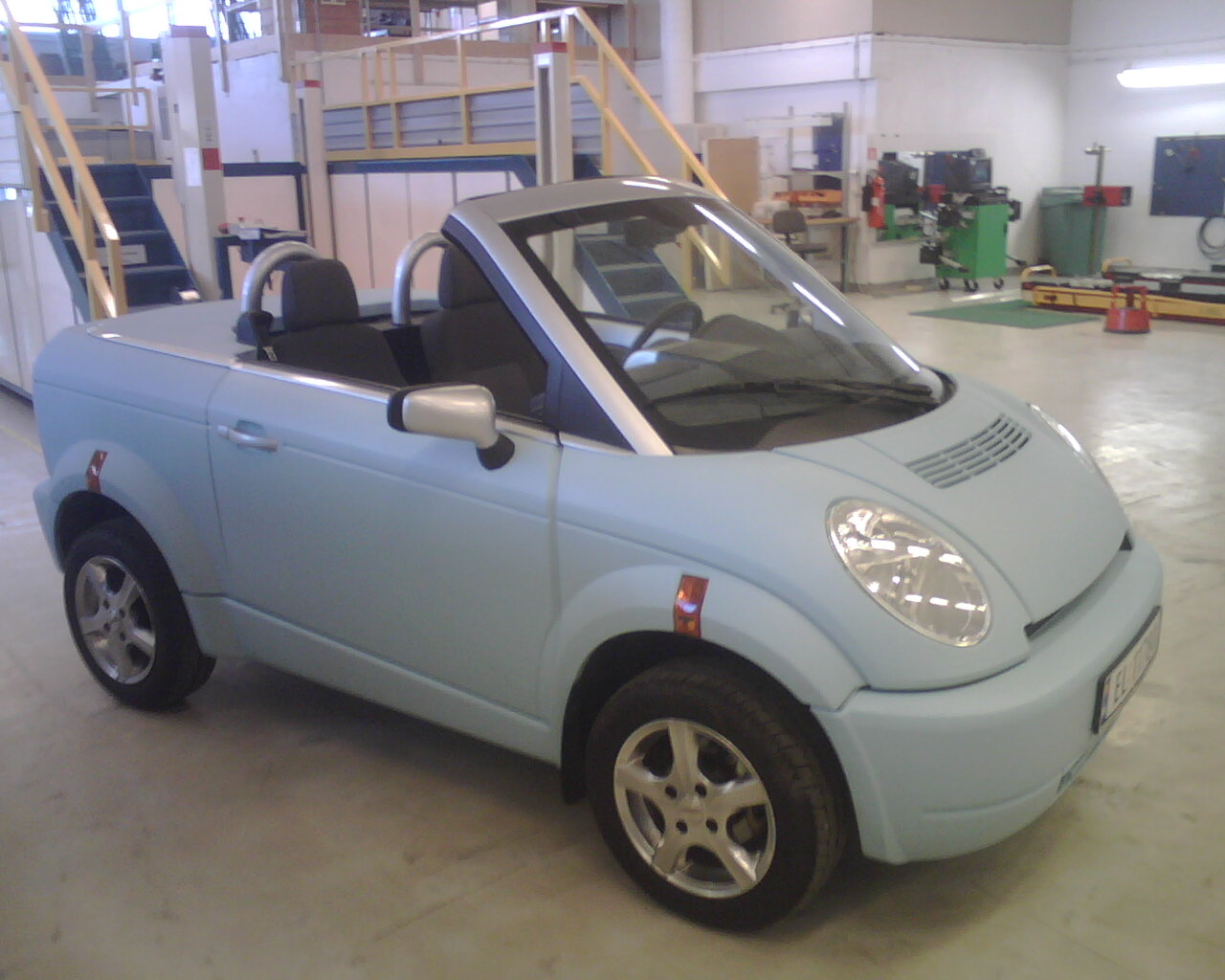
photo: Think Global

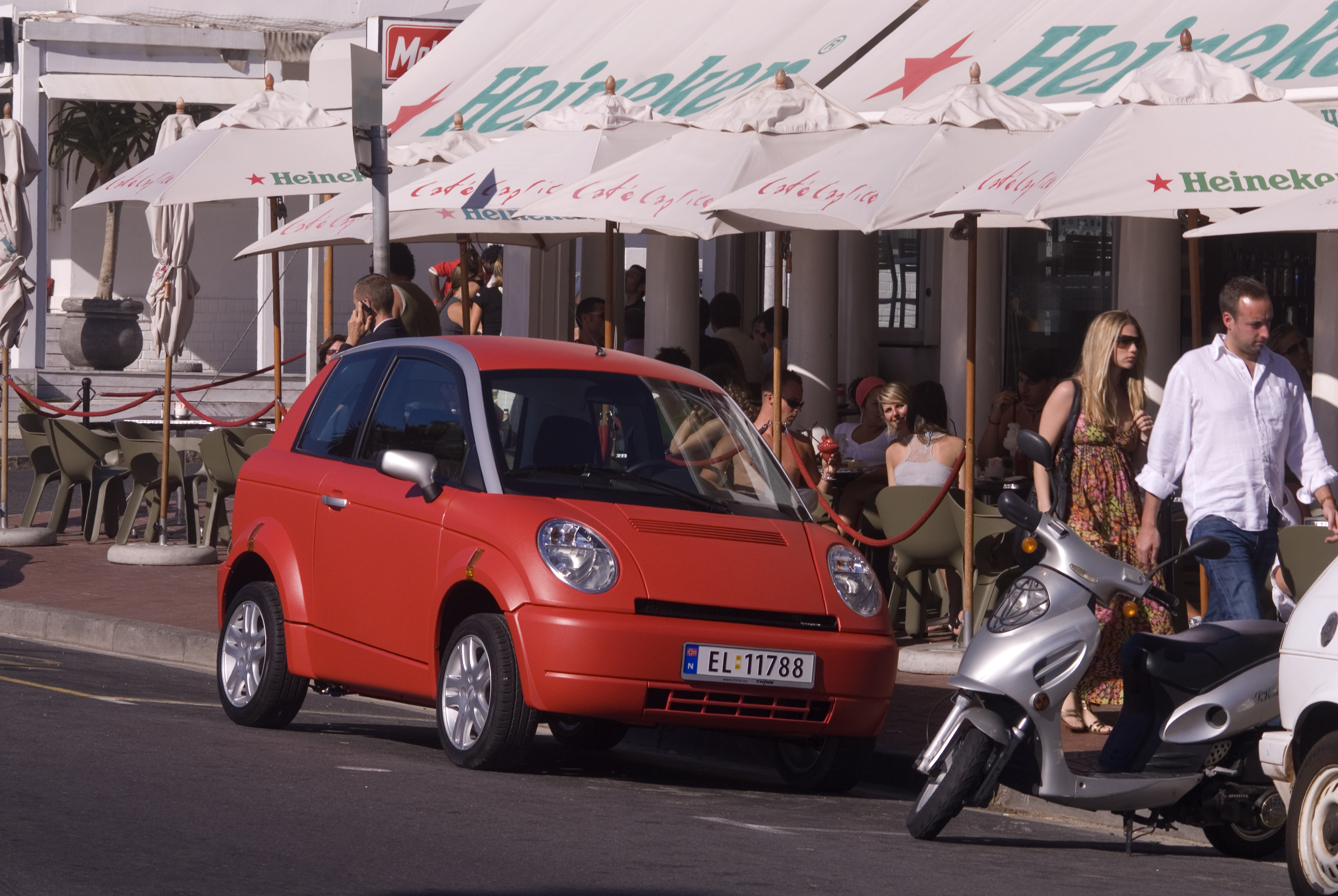
Norwegian electric carmaker Think Global, once owned by Ford, has tapped Ford executive Richard Canny as its new president and chief operating officer. Canny previously served as president of Ford South America, president of Ford Argentina and managing director of Ford Malaysia.

Think also announced Tuesday that it has hired a veteran of Volvo and Saab, Mikael Ekholm, as executive vice president for engineering and manufacturing. The appointment of the Australian-born Canny comes as the Oslo company ramps up production of the City, it’s Internet-enabled, battery-powered urban runabout.

Green Wombat chatted with Think CEO Jan-Olaf Willums via e-mail Tuesday about the rollout of the City in Europe, its next model – an electric crossover SUV –  and the company’s plans for the United States market. (At Fortune’s Brainstorm Green conference in April, Willums announced the formation of Think North America with marquee venture capital firms Kleiner Perkins Caufield & Byers and Rockport Capital Partners. Other investors in Think include General Electric (GE) )

“The factory completed its planned build of 100 cars for the local market prior to the Norwegian summer shutdown,” says Willums, a longtime entrepreneur and sustainability expert who made his fortune as a co-founder of Norweigan solar company REC Solar. “Of course, like any new vehicle launch we are having occasional new issues arise and teething problems to overcome.”

The cars are now on Oslo roads racking up high mileage under real-world conditions, he adds.

(You can still spot the previous generation of the City, built under Ford (F) ownership, tooling around Oslo, as I did when I visited in 2007 for a story I did on Think.)

Willums says Think will boost production in the second half of the year to support sales in Norway and elswhere in Scandinavia. “During 2009, we are planning a roll out to a number of other European markets with our plans for the major cities (Paris, Amsterdam, Nice, Zurich, Basel) being the priority,” he says. The order of the rollout, he notes, will depend in part on where the government and private sector incentives for electric vehicles are strongest.

To that end, Willums says that the timing of the City’s debut in the United States will be determined in part by state incentives and the policy of the incoming administration in Washington.

Think is in a race to get its cars on the road as the big automakers accelerate their plans for plug-in hybrids and all-electric cars for the mass market. General Motors (GM) is hurrying to bring its Chevy Volt plug-in electric hybrid to showrooms while Toyota (TM) is working on a plug-in version of the Prius. Mitsubishi will supply its i MiEV electric car to California utilities PG&E (PCG) and Southern California Edison (EIX) for fleet testing.

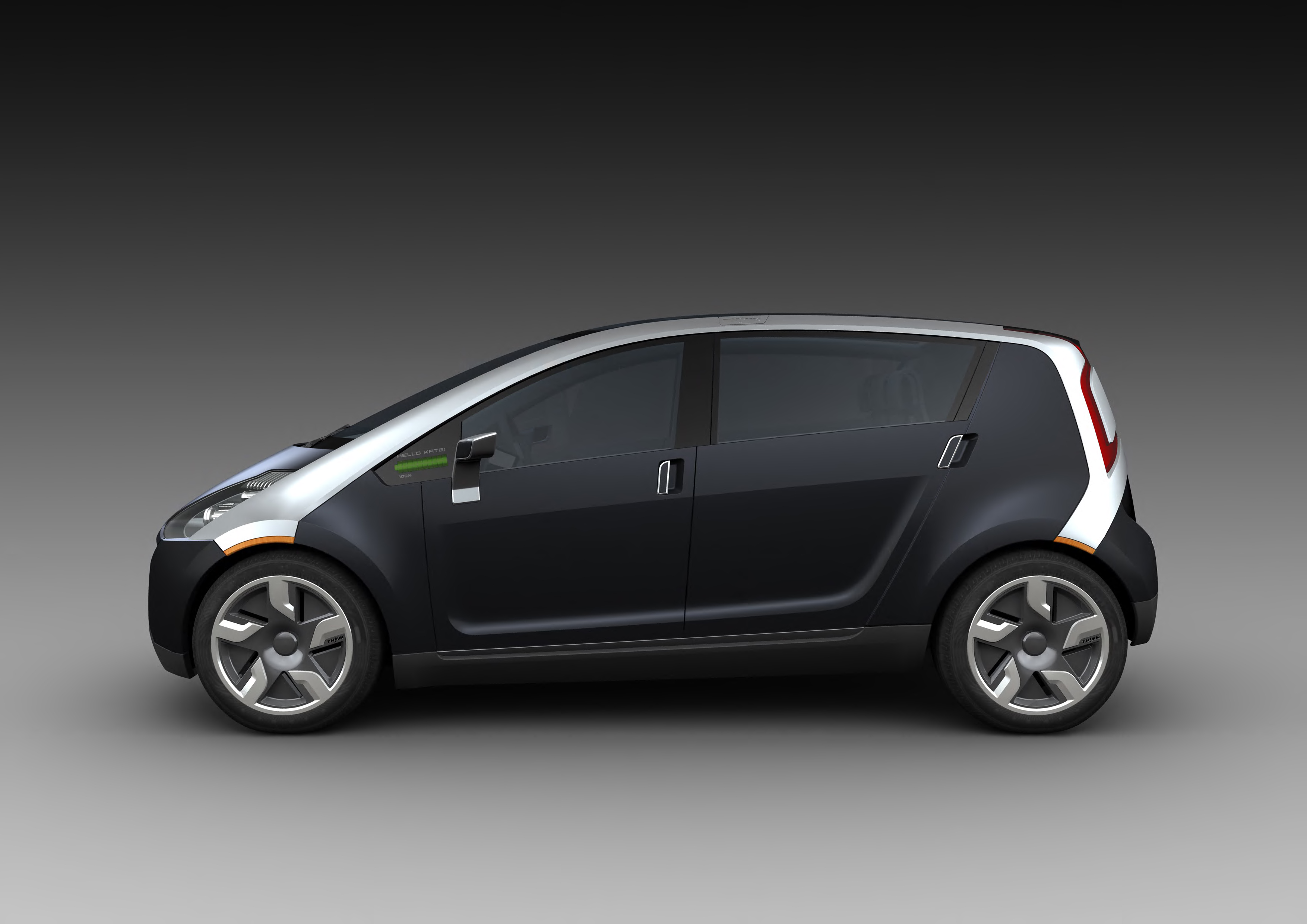
Meanwhile, work continues on the Think Ox, the company’s planned five-seater crossover model. Think showed off a concept version of the electric car at the Geneva auto show earlier this year. The addition of Canny, Willums says, should help the company “grow and mature to a larger scale electric car producer.”

Along with gearing up production of the City, Think has been energizing its marketing efforts, judging by the slick promotional video it created for the Ox below. (For a higher-def version, go here.)

Read Full Post »

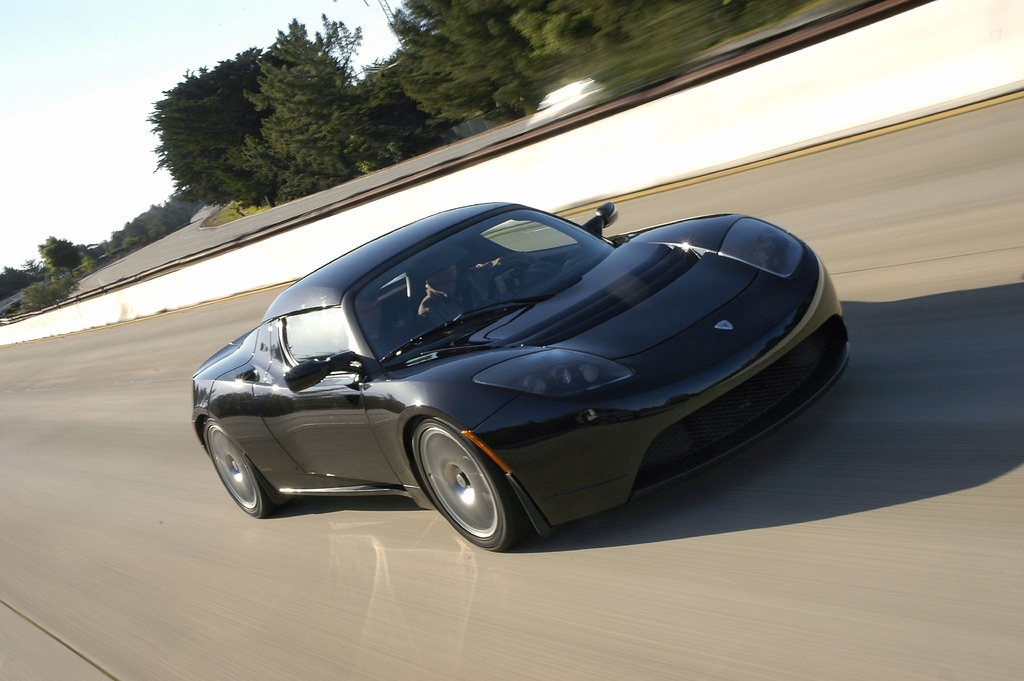
Monday night, Green Wombat swung by SF Green, one of a growing number of green tech networking events sprouting up around San Francisco and Silicon Valley. The draw – beyond drinks with a standing-room-only crowd of bright-eyed twenty-and-thirtysomethings in a San Francisco art gallery – was the appearance of leading venture capitalist Ray Lane of Kleiner Perkins Caufield & Byers and Darryl Siry of Tesla Motors, maker of the Roadster electric supercar.

Despite the fact that Tesla has sued a Kleiner company, Fisker Automotive – which is producing an electric hybrid sports sedan – for alleged intellectual property theft, no sparks flew. (Though at Fortune’s recent Brainstorm Green conference, Lane couldn’t resist taking a jab at allegations that Fisker founder Henrik Fisker appropriated Tesla technology when he did design work for the Silicon Valley startup: “It’s ridiculous,” Lane said. “Henry Fisker wouldn’t know a drive train from a glass of water. He’s a designer.)

Siry, Tesla’s vp of sales, marketing & service, said five of the $100,000 Roadsters have rolled off the assembly line so far with one car tooling around Los Angeles, and others in the Bay Area and London. By year’s end, Tesla, which has been wrestling with drive train problems, should have more than 100 cars on Bay Area roads, home to many the company’s tech titan customers.

Tesla has raised $145 million, Siry noted, and will do another round before an IPO. The Roadster will always be a limited production marquee car but to mass produce its next vehicle, a five-seat sports sedan code-named White Star, Tesla will need that IPO or project financing. Siry also sketched a future where Tesla might supply electric drive trains to automakers in exchange for project financing.

“Tesla is a tech company wrapped in an automotive brand,” he said at the event co-sponsored by VentureBeat.

Lane and Kleiner Perkins have gone beyond investing in electric car companies to running one. Lane is chairman of Think North America, the U.S. arm of Norwegian electric carmaker Think Global. Kleiner and Rockport Capital took a 50 percent stake in the North American operation, which launched last month.

The Think and Fisker investments are emblematic of a new direction for VCs who have jumped into the green tech game. Unlike the first dot-com era or even the current Web 2.0 age, there’s no quick exit on the horizon for investments in green tech companies that may be years away from producing a product and require hundreds of millions, if not billions, in project financing to build car factories or solar energy power plants.

Lane compared investing in green tech to the long-term horizon needed for investing in biotech startups, where the key is to hit milestones that allow investors to calculate valuations.

Still, it’s a big gamble, given rising commodity prices and global economic upheaval.

Kleiner is also an investor in solar power plant startup Ausra. “Steel prices are killing us,” Lane said. Ausra’s power plants consist of hundred of acres of mirrors mounted on steel frames. “With Ausra, we [calculate] we could deliver solar thermal electricity at 12 cents a kilowatt-hour. But with steel prices, who knows?”

A shortage of qualified green tech workers has become an issue, according to Lane. The nascent solar power plant business relies on recruiting engineers and project developers from the carbon-based industry. “Talented people in project development at companies like Bechtel are maxed out for years on building projects,” he said.

Read Full Post »

PASADENA, Calif. — Green tech guru Vinod Khosla probably didn’t win many friends among the chardonnay-and-carbon-offsets crowd Tuesday during an appearance at Fortune’s Brainstorm Green conference, where he castigated well-heeled enviros for thinking that driving a Toyota (TM) Prius and other “feel-good solutions” will save the planet

“The Prius is more greenwash than green,” the venture capitalist said on stage during a conversation with Fortune senior writer Adam Lashinsky. “Priuses sell a lot but so do Gucci bags. The hybridization of cars is the most expensive way to reduce carbon.”

“We do a lot of feel-good things like put solar panels up in foggy San Francisco so a few middle-class and upper-middle-class people feel good about themselves,” he added.

Ouch.

If Khosla was typically on the offensive, he’s been on the defensive a bit of late over early investments in corn-based biofuels. Alarm has escalated over the past year about the impact of taking food crops out of production to grow a gasoline substitute.

After Lashinsky read a recent quote from the Indian finance minister – “food-based biofuels are a crime against humanity,” Khosla agreed that “food-based biofuels are the wrong way to go. We have much better alternatives.” He has long championed cellulosic biofuels that can be produced from non-food plants like switchgrass or from wood waste and characterized his ethanol investments as a way to get the lay of the biofuels landscape.

Never shy about stirring the pot, he declared that, “People’s views on green are obsolete.” The way to fight climate, according to Khosla, is not to focus on putting solar panels on roofs or building electric cars but increasing the efficiency of things like engines and the operations of mainstream businesses.

Worried about the high price of oil? Don’t. “My forecast for 2030 is that price of oil will be below $25 a barrel,” Khosla said. No matter, he added, because by then biofuels will be cheaper.

So stick that in your Prius.

Read Full Post »

PASADENA, Calif. — Norwegian electric carmaker Think Global is bringing its zippy urban runabout to the United States.

On Monday at Fortune’s Brainstorm Green conference, Think launched its North American operation with Silicon Valley venture capitalist heavyweight Kleiner Perkins Caufield & Byers and Boston’s Rockport Capital Partners as lead investors.

Think North America will sell the Think City, its two-seater battery-powered car, as well as a forthcoming five-seater called the Think Ox.

“We thought this would be a wonderful vehicle to bring to the U.S.,” said Kleiner partner Ray Lane. He’ll serve as chairman of Think North America, which will be a 50-50 joint venture between Think and Kleiner/Rockport. They declined to put a price tag on the investment but Lane said “we’ll invest what it takes.”

The Think City began rolling off the production line in Norway earlier this year and Think already has announced it will sell the car in France, the U.K. and Scandinavia. With its current battery, the City can go about 110 miles on a charge at a top speed of around 62 miles an hour. Lane said Think North America aims to sell the car in the U.S. market for less than a Toyota (TM) Prius, which retails for around $25,000. Batteries being developed by Think’s partners A123Systems in collaboration with General Electric (GE) will boost the range and top speed, Willums has noted.

“This is not just a one-off kind of deal,” says Rockport’s Wilber James, who is serving as Think North America’s president while a CEO search is underway. “Being venture capitalists, we’re on the cutting edge in battery technology. We’re not just passive investors; we’re very active in this company.”

Think CEO Jan Olaf-Willums, who appeared on stage with Lane and James, said he hopes to sell a few thousand cars next year — starting in California — and then ramp up to 30,000 cars. “We can put assembly plants anywhere in six months,” said Willums, referring to Think’s $10 million modular factories.

James and Lane seemed taken with the little electric. “I had the privilege of sitting in back of the City while Ray Lane drove the car with Jan-Olaf through the streets of Geneva,” said James. “It’s a fun car to drive.”

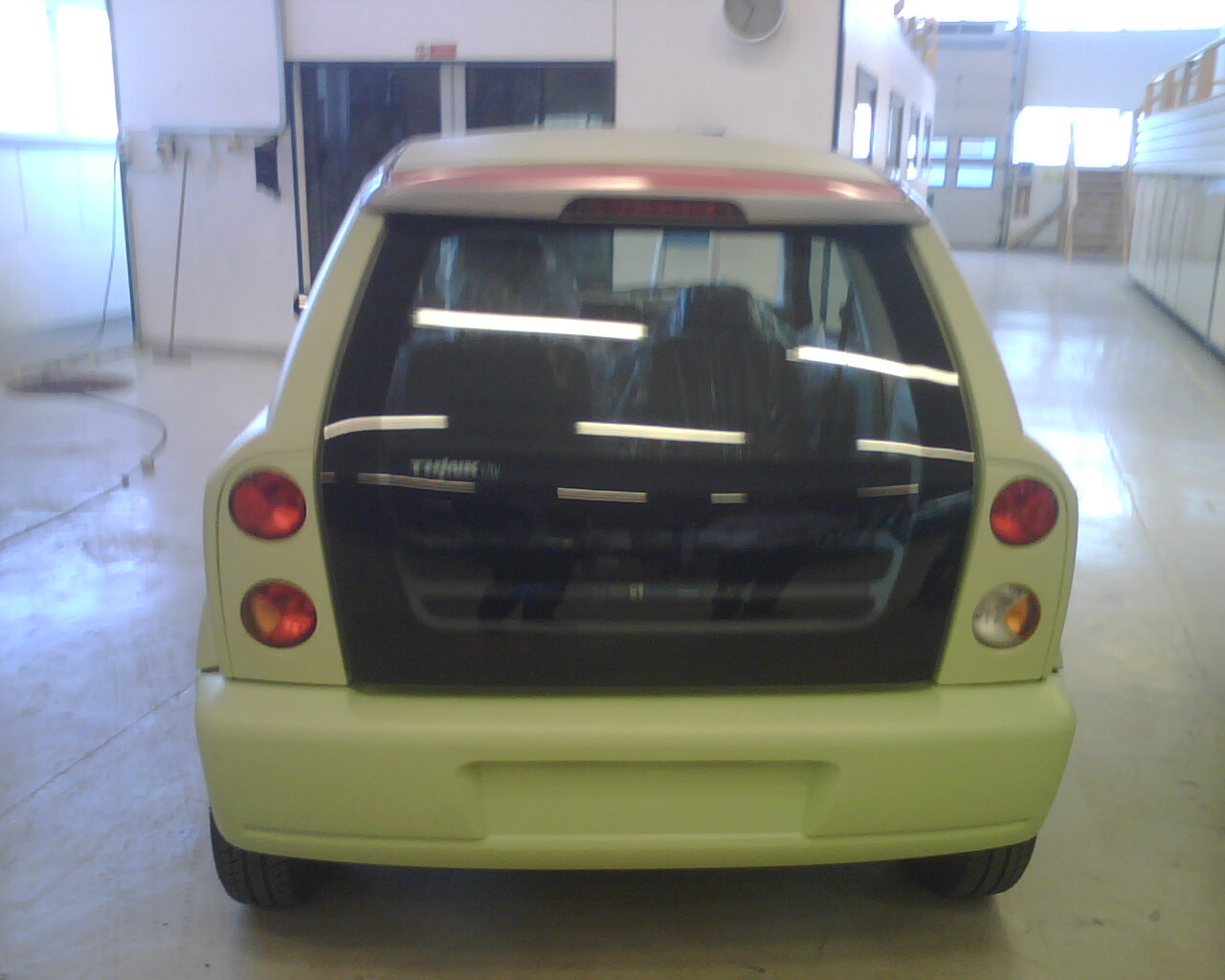
Green Wombat can confirm that. I drove a Think City last year when I visited Willums in Norway for a story I wrote for Business 2.0 magazine. The stylish two-seater with the roof-to-bumper glass hatch accelerates like a sports cars, thanks to the instant transmission of power from the electric motor to the wheels.

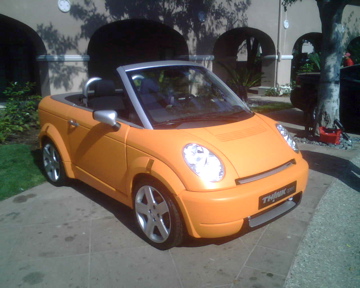
Willums brought two Thinks – one a sporty orange convertible, the other a black coupe — to Pasadena. “That will be a big seller in Los Angeles,” Lane told Green Wombat as a crowd gathered around the cabriolet in the Southern California sunshine outside the Langham hotel in Pasadena.

Since I drove the City last, it’s been been upgraded with an interactive, Internet-enabled touchscreen. The City will sync with your home computer, download your schedule, your shopping list and monitor your battery usage and driving habits, according to Dipender Saluja, whose Silicon Valley startup, Automatik, is developed the the technology to create what Willums calls a “computer on wheels.” The onboard system is designed to communicate with a smart utility grid so that the owner can be charged or credited for the electricity consumed or returned back to the grid from the car’s battery.

On Monday, I got behind the wheel of the Think City that sported a large sunroof and took a quick spin around the hotel grounds with Willums. Version 2.0 of the car was a more refined iteration of the pre-production car I drove last year in Norway but still a blast to drive.

Lane and Willums said Think will begin by selling a few thousand cars to corporate fleets. He also said Think North America is in discussions with utilities like PG&E (PCG).

Read Full Post »

thinkox_004.jpg

General Electric has officially confirmed its $4 million investment in Norwegian electric carmaker Think Global, a development Green Wombat reported back in December. GE Energy Financial Services (GE) also has invested $20 million in Massachusetts lithium-ion battery maker A123Systems, which will supply batteries to Think. General Electric said its scientists will work with both Think and A123 to improve battery technology for electric cars to “enable global electrification of transportation.”

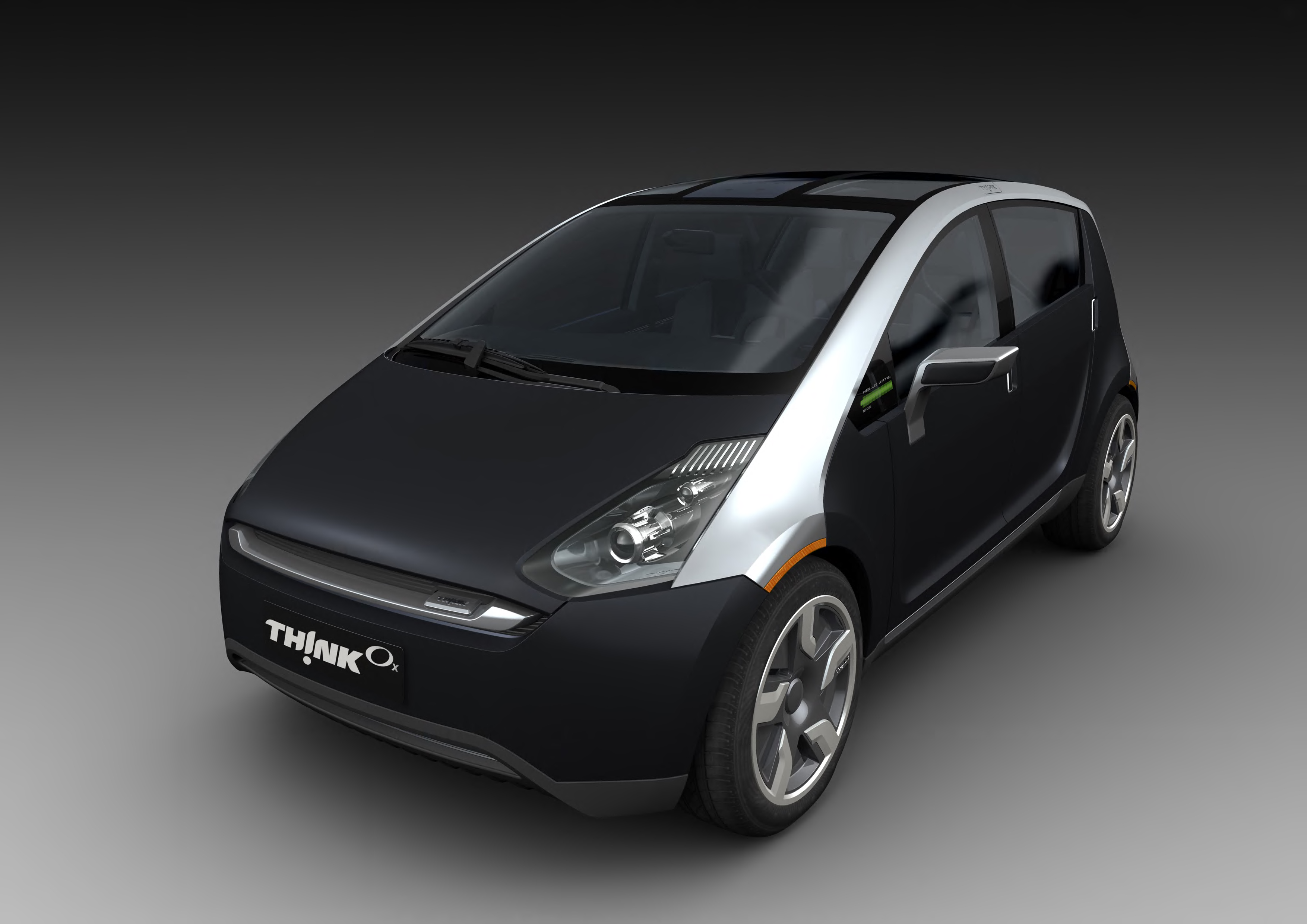
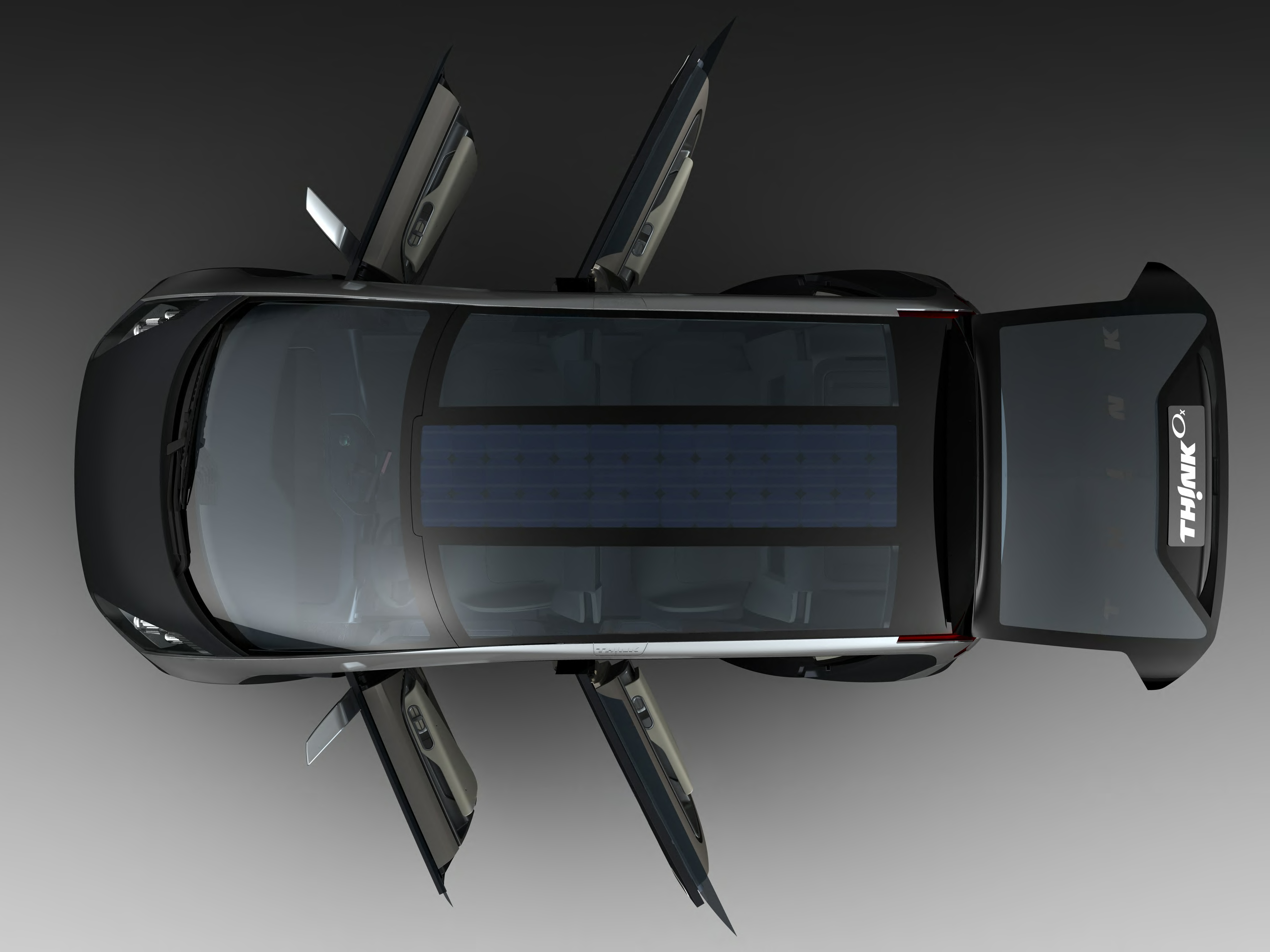
thinkox_006.jpgAnd as Green Wombat reported last week, Think, formerly owned by Ford (F), unveiled its next model Wednesday at the Geneva Auto Show, a futuristic five-seater called the Think Ox that will eventually be available as a two-door coupe and possibly a taxi. The sleek five-door vehicle resembles a low-slung crossover SUV but maintains the signature touches of the Think City — an urban runabout now rolling off Think’s production line in Norway — including the roof-to-bump glass rear hatch. The concept car also sports a translucent roof with a solar panel, presumably to power radios and other gadgets.

According to Think, the Ox will have a range of about 125 miles (200 kilometers) on a charge and a top speed of about 85 miles an hour. Future models may include a range extender — a small flex-fuel engine that will charge the battery and let the Ox go 280 miles. (The General Motors (GM) Volt electric hybrid is based on the same concept.) Think also unveiled its “connect car” technology to make the Think City and Ox a rolling Internet-connected, GPS-enabled computer that will calculate the cheapest and most environmentally beneficial times to recharge as well as give drivers access to the cars’ systems through their mobile phones.

When Green Wombat caught up with Think CEO Jan-Olaf Willums in San Francisco last week he emphasized that although the Ox is being presented as a concept car, the technology is almost ready for prime time and the model that is expected to hit the market in 2011 will resemble the show version.

Correction: An earlier version of this story said Think was collaborating with an unnamed Fortune 100 automaker. In fact, Think was collaborating with a Fortune 100 company, General Electric.

thinkox_001.jpg

Read Full Post »

think-production3.jpgIt was a year ago that venture capitalist and solar energy entrepreneur Jan-Olaf Willums appeared at the Cleantech Forum in San Francisco shortly after taking over Think Global, a Norwegian electric car maker once owned by Ford (F). Willums and his partners had just secured their first round of funding and unveiled plans to revive Think and a zippy urban runabout called the Think City. This week Willums made a return appearance at the 2008 Cleantech Forum and showed just how fast an automotive startup can move amid the lumbering dinosaurs of Detroit.

Green Wombat caught up with the ever-cheerful Willums over coffee Wednesday (unlike his American counterparts he meets the press without the PR minders that seem to accompany every exec everywhere). A day earlier on a panel about alternative transportation he dropped something of a bombshell: At the Geneva Auto Show on Tuesday Think will unveil its next-generation car, a sleek five-seat sedan and a collaboration with an unnamed Fortune 100 company. (See correction at the end of the story.)

Willums, who has raised $93 million from U.S. and European investors, was keeping mum on the identity of its big-league partner until Tuesday but he did say that new model was not just a concept car. “We have designed a five-seater show car but it really is much more than that,” says Willums (photo above). “It is very much a car that can be produced and it looks like the car that will produced.” The plan is to offer the next-gen Think in 2011 as an all-electric as well as well as a so-called series hybrid that uses a small engine to charge the battery and extend its range. (The current Think City has a range of 180 kilometers –112 miles.)

The drawing Willums briefly displayed on the panel showed an stylish aerodynamic four-door sedan. He says Think is planning to later produce a crossover SUV and coupe version of the car. Silicon Valley electric car startup Tesla’s next car also is a five-seater sedan, code-named White Star. “We won’t compete with Tesla,” says Willums. “The Tesla will be more a BMW; we’ll be more the Volkswagen.”

In the meantime, the two-seater Think City is rolling off the production line at the company’s factory outside Oslo and the first 500 cars are set for delivery to customers in March. (For the Think back-story and my 2007 Business 2.0 magazine feature on the company and its innovative business model click here.) Production will be fully ramped up by the end of 2008 and Think aims to produce 10,000 cars a year.

Willums, who will appear on a panel I’m moderating at Fortune’s Brainstorm: Green conference in April, also tells Green Wombat that Think later this week will introduce the City to London and Paris. Think’s strategy is to pursue urban markets that offer incentives for electric vehicles. For instance, for electric cars London waives the $15 congestion “congestion fee” charged for driving into the city and offers free parking. France gives EV buyers a $7,500 rebate. Think plans to begin selling the City in those markets in early 2009. Think has also established a subsidiary in Denmark

The company’s North American plans are still in flux. “We hope to have a plant in the U.S. in 2009,” he says. As with Europe, Think will target urban markets in the U.S., such as San Francisco and New York.

Think has markedly picked up the pace since I last met Willums in Oslo. That’s due in part, he says, because of the big automakers’ more aggressive moves to get into the electric car market, such as General Motors (GM) with its Chevy Volt electric hybrid.

It also seems increasingly clear that innovative startups like Think will survive by making strategic partnerships with bigger players and moving nimbly into select and potentially profitable markets. Whether Think will be a drive-away success remains to be seen but its clear Willums is hitting the accelerator.

Correction: An earlier version of this story said Think was collaborating with an unnamed Fortune 100 automaker. In fact, Think was collaborating with a Fortune 100 company, General Electric.

Read Full Post »

ecomotors-engine-diagram-012008_examples.jpg

Silicon Valley green tech investor Vinod Khosla caused a stir recently when he dissed plug-in electric hybrid cars as “toys” that would not contribute much in the way of fighting global warming. The blogs were buzzing from red-faced EV enthusiasts taking umbrage at Khosla, who has made big bets on biofuels and is never shy at expressing his opinions on all matters green.

But an investment Khosla Ventures announced this week in EcoMotors, a Detroit startup developing a high-efficiency diesel engines, shows that the legendary venture capitalist is more eclectic when it comes to electrics than his public pronouncements might make him seem.

EcoMotors founders Peter Hofbrauer and John Coletti, veterans of Volkswagen and Ford (F) respectively, are engineering engines that they hope will achieve 100 miles per gallon, run on gasoline, diesel or biofuels and be used to power — wait for it — plug-in hybrid electric cars.

What drove Khosla to change his mind on hybrids? He didn’t, really. To understand why, we need to look under the hybrid hood. There are two types of hybrids. A parallel” hybrid contains two drive trains — an electric motor to power the car at low speeds for short periods of time, and a conventional gasoline engine for higher speeds. The Toyota (TM) Prius and Honda (HMC) Civic hybrid and most other hybrids on the road today are parallel hybrids. (A plug-in version would allow for a more powerful battery pack that could be recharged from a standard electrical outlet.)

In contrast, a series hybrid takes some of the complexity — and presumably the cost — out of the design by using only an electric drive train to propel the car while relying on a small internal combustion engine to power a generator that charges the battery and provides power to the electric motor when needed. The Chevrolet Volt, General Motor’s (GM) plug-in electric hybrid under development, is a series plug-in hybrid. And the EcoMotors’ engine will be designed for use in a series hybrid.

“He was referring to parallel hybrids,” says Khosla Partner’s Ford Tamer of his boss’s anti-hybrid comments made in a speech at an investor conference. “We do believe a series hybrid is the way to go. He was also referring to the fact that the hybrid platform is inherently an expensive platform.”

So is a series platform at this point, but Khosla’s vision is to drive that cost down by creating high-efficiency engines and batteries. Hence the investment in EcoMotors. And hence the hiring last September of Tamer, a former top executive at chipmaker Broadcom and a co-founder of another chip company, Agere (later acquired by Lucent). “I’ve been focused on the efficiency side of Khosla — engines, motors, turbines, even solar and batteries,” says Tamer, Khosla Ventures’ operating partner.

Khosla is the sole funder of EcoMotors – and no, Tamer won’t reveal the size of the investment – which officially launched this month and remains so stealthy it doesn’t even have a website yet.

Tamer says EcoMotors CEO Hofbrauer developed a high-efficiency engine under contract with the Defense Advanced Research Projects Agency, of DARPA, for use in military vehicles. EcoMotors has now licensed the technology for commercial use.

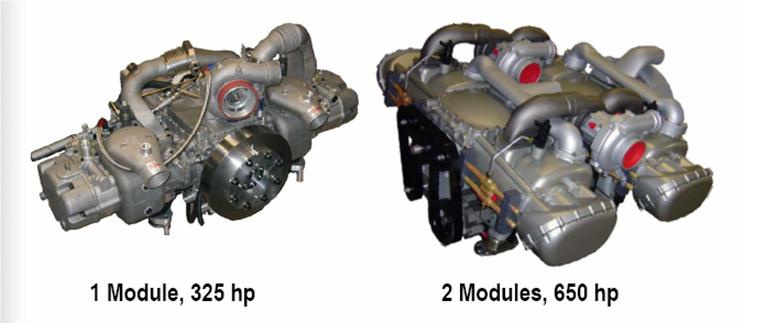
Here’s how it works, as explained by Tamer: the EcoMotors engine is built of 2-cylindar “modules” that can be stacked depending on the need for power – one or two modules for a car, three or four for a big truck. “If you have two modules, you can shut down one module for city driving,” says Tamer. “But when you need to need to go uphill or need power for highway driving, you engage the second module. That gives you better fuel efficiency and reduces emissions.” (EcoMotors’ renderings of the engine’s design are above.)

With the recently enacted energy bill mandating automakers raise the average fuel efficiency of their fleets to 35 miles per gallon by 2020, EcoMotors aims to demo its first engine to potential customers by early 2009.

A plug-in electric hybrid drive train will be further down the road but Khosla Ventures already has made investments in companies developing components for such a system. One such startup is Seeo, a Berkeley, Calif.-based company whose website cryptically says it is “developing advanced materials to revolutionize electricity storage and delivery.” And Thursday morning, Khosla Ventures announced it had upped its investment in Transonic Combustion, a California startup developing  fuel injection systems designed to increase fuel efficiency.

“Our belief is that we have to get a fuel-efficient, emissions-conscious diesel engine on its own,” Tamer says. “Then going to a hybrid becomes a bonus.”

One of Vinod Khosla’s mantras is that green technology must become cheap and scalable enough to be adopted in China and India, countries whose impact on climate change is monumental. In other words, a $25,000 plug-in hybrid doesn’t stand a chance against a Tata Nano, the Indian people’s car unveiled last week.

Remarks Tamer: “$2,500 will buy a Tata – that’s a DVD upgrade on a Lexus.”

Read Full Post »

think-production3.jpg

Amid the upheaval at Tesla Motors last week, a milestone in the annals of the electric car went largely unnoticed. At Think Global’s factory in the Norwegian countryside, the first of the company’s battery-powered City urban runabouts rolled off the assembly line.

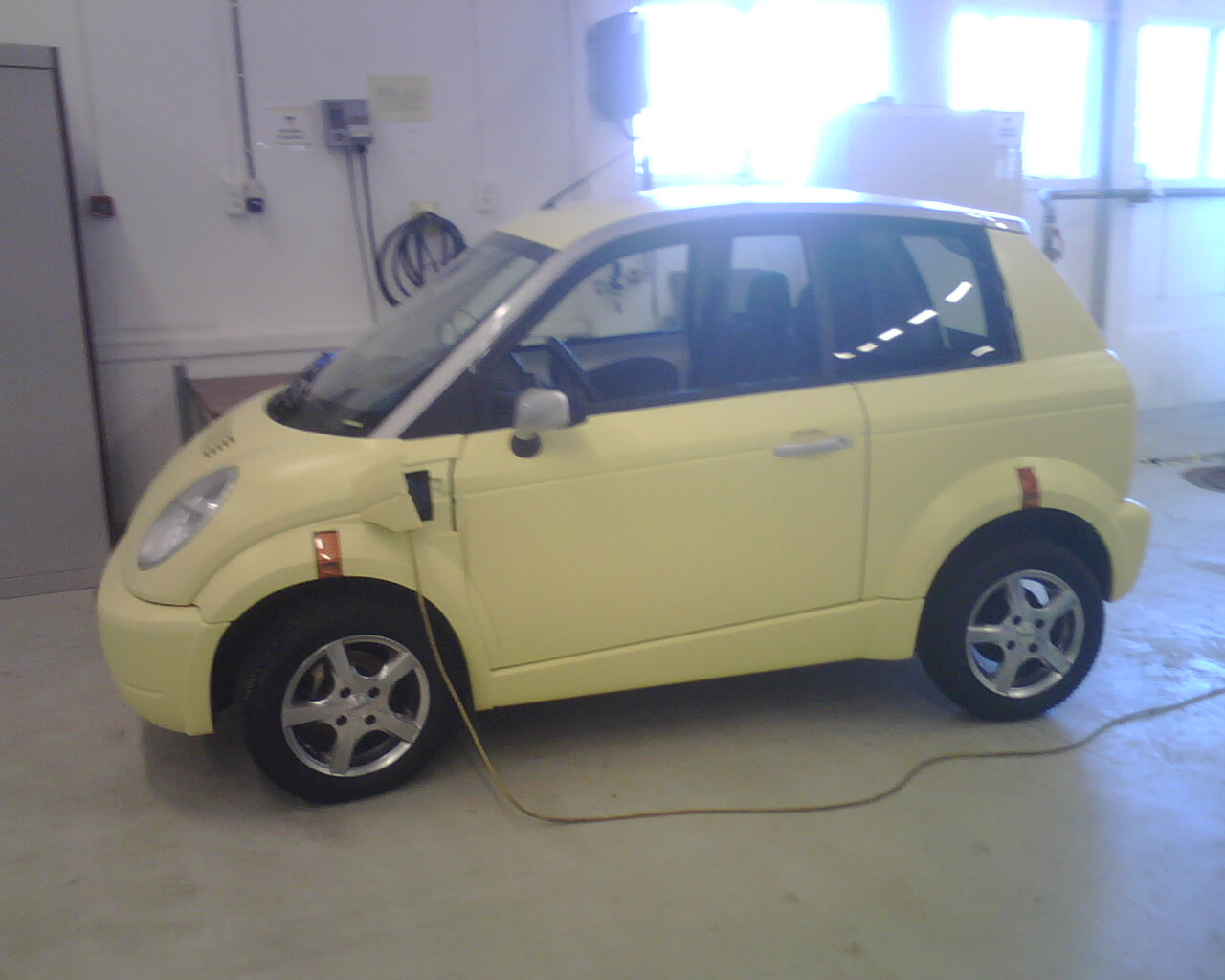
A canary-yellow two-seater sporting baby-seal-eye headlights and a bumper-to-roof glass hatch, this first production Think City will go about 112 miles (180 kilometers) on a single charge. It’s zippy, fun to drive and could well be the Honda Civic for the age of global warming.

No, Green Wombat hasn’t drunk the electric-car Kool-Aid. (Or the aquavit, in this case.)

Consider: Though ubiquitous now, the Honda Civic arrived on U.S. shores some three decades ago as a tiny, under-powered hatchback from a little-known foreign automaker in the era of the Detroit land yacht. Timing, of course, is everything. The Civic made its debut as the oil embargoes of the 1970s drove Americans from their gas-guzzling Chevys and Fords; and as an entire generation turned to the Japanese for economical well-made models, Tokyo gained a foothold in the U.S. market. In time the Civic morphed into a full range of vehicles and cemented Honda’s (HMC) hold on car buyers even as Americans returned to their profligate ways with the advent of the SUV.

img00150.jpgThink — and other electric car companies — finds itself at a similar inflection point. Gas prices are at historical highs and global pressure to cut greenhouse gases will inevitably fall heavy on one of the biggest carbon culprits, the internal combustion engine. The success of the Toyota (TM) Prius gasoline-electric hybrid is just a harbinger of the market for all-electric cars.

Last May Green Wombat spent some time at Think in Norway and had a chance to test-drive a couple of the City prototypes.

You can read my Business 2.0 magazine feature story on Think here but the capsule version goes like this: A Norwegian startup, the company was acquired by Ford (F) in 1999 when the automaker faced a California mandate to begin producing electric cars. Ford poured some $150 million into Think to develop an EV for the U.S. market then sold the startup once the regulation was killed. (A few hundred of the first-generation City were available for lease in California — Google (GOOG) founder Sergey Brin was one owner — and old-style Thinks can still be spotted on the streets of Oslo.)

Last year Norwegian renewable energy entrepreneur Jan-Olaf Willums (center in photo above) and his investment group acquired Think and revived plans to produce a next-generation City with a next-generation business model. The Internet-enabled car will be sold online and seeded through car-sharing services like Zipcar. Buyers will purchase the car but lease the battery as part of a mobility fee that could include insurance and WiFi access. (The City will sell for about $34,000 in Norway and Willums is shooting for a U.S. sticker price of $15,000 to $17,000 plus $100 to $200 a month for the mobility fee.) Think has raised nearly $80 million from Silicon Valley venture capitalists and European investors to get the production line up and running.

img00158.jpgGreen Wombat caught up with Willums over the weekend via e-mail to get an update on Think’s plans. According to Willums, General Electric (GE) is now an investor in Think and the company struck a deal with GE to collaborate on battery technology. The cars now coming off the assembly line will be put through their paces in the harsh Norwegian winter — a trial that bodes well for an eventual entry into the U.S. northeastern market — and will go on sale in Norway in the first six months of 2008.

Those cars will be powered by a Zebra sodium nickel chloride battery. Earlier this year Think struck a deal with Tesla to buy a version of its high-powered lithium-ion battery packs that give its Roadster its zero-to-60 mph-in-four-seconds vroom. But Tesla put its battery business on hold as it focuses on getting the Roadster on the road. Willums says Think now will obtain lithium-ion batteries from A123 (which is working with General Motors (GM) on its Volt electric hybrid) and EnerDel. Think will begin testing those batteries in the City in the first half of next year. In 2009, Think will begin selling the City in other European countries.

“In 2009 we plan to have a “face lift” i.e. introduce a number of additional features,” says Willums. “The plan is to have a stronger engine and some increased battery capacity at that time.”

The cars sold in Norway carry a Web-enabled black box that transmits battery performance data to Think. Tbe ’09 model will be fully Internet-capable so drivers can communicate with their City and the car can ping its owner when, for instance, it needs maintenance.

img00151.jpgAlas, for American electric car enthusiasts, the City will probably not make it to the U.S. for another couple years. To pave the way, Willums says Think will open a Silicon Valley office in early 2008. (Willums is a familiar figure on Sand Hill Road and held the initial brainstorming sessions for the new Think at the Googleplex in 2006.)

To have a chance to even crack the urban U.S. market, Think will need to increase the City’s top speed from 62 mph and give it more drive time. Inventor Dean Kamen of Segway fame invested in Think and has developed a Stirling heat engine that would extend the City’s range by trickle-charging the battery. (For Green Wombat’s wild ride with Kamen click here.)

“We have recently started discussions with other partners (not in the automotive industry) to explore if one can make a development consortium to make the engine mass producible,” Willums says. “That would be a multiyear project, and we would like to be one partner in such a consortium that would look at many applications of the Stirling engine.”

The road for Think is a long one and many unforeseen obstacles could crash its ambitious plans, which include introducing a family sedan. But like the Honda Civic of 1972, the 2008 Think City may be well just be the prototype of a new automotive model.

Read Full Post »

tesla-martin_eberhard.jpgFor Tesla Motors founder Martin Eberhard, getting news of his ouster was like glancing at the review mirror and seeing one of his electric Roadster supercars approaching at 130 miles an hour without a sound.

In other words, he was blindsided. “Somebody in the company asked me if I would be leaving at a certain date and I said, `I don’t think so,’ but that turned out to be the case,” Eberhard told Fortune’s Green Wombat.

The date was last Friday and Tesla left Eberhard by the side of the road just months before the Silicon Valley electric car company rolls its hotly-anticipated Roadster off the production line and into the hands of celebrity customers like the Google founders and California Governor Arnold Schwarzenegger. Green Wombat spoke to Eberhard and Tesla chairman Elon Musk Monday afternoon about the changes at Tesla and the company’s plans for the future.

Eberhard, long the public face of Tesla, stepped down as president of technology and gave up his board seat in a move that is — depending on who’s talking — either part of a planned transition or a hit-and-run take-out of the founder following the appointment of a new chief executive last week. The shakeup comes as Tesla wrestles with a transmission problem that has delayed production of the $100,000 all-electric car that does zero-to-60 in four seconds and can go 245 miles on a single charge.

In August, Eberhard, who started Tesla five years ago with the financial backing of PayPal alum Musk, relinquished his CEO spot so the San Carlos, Calif., startup could hire a top executive with experience in large-scale manufacturing. Former Flextronics chief Michael Marks took over as interim CEO, but Eberhard says he never expected to be booted from the company.

“I truthfully thought I’d be spending quite a few more years at Tesla Motors,” says Eberhard before boarding a flight in Burbank to San Francisco. “The only surprise was that the board no longer wanted me as part of the company. There wasn’t any major disagreement going on, not that I know of anyway.”

As Eberhard recounts it, Musk told him about a month ago that he wanted him to leave at some unspecified future date. “I thought it was a strange notion to kick the founder out of the company anyway, where there wasn’t a big ideological difference on the board where we wanted to go,” Eberhad says. “For all Elon’s character and personality, he’s trying to solve same problem as I am. ”

The end came suddenly last week. On Wednesday, Tesla announced the replacement of Marks with a permanent CEO, tech veteran Ze’ev Drori, founder of chip company Monolithic Memories. Two days later Eberhard was packing up his office. “Elon did talk to me about leaving the company without having a [board] vote,” Eberhard says. “I left voluntarily when it was clear that I wasn’t going to win a vote anyway.” Eberhard, who will serve on a Tesla advisory board, says Musk explained why he was being ousted “only in the vaguest terms.”

When I reach Musk on his cell phone and put the question to him, he pauses and laughs a bit nervously. “I don’t know what to say without being negative,” says Musk, whose other post-PayPal ventures include rocket company SpaceX and solar systems installer Solar City. “It did not make sense for him to be at the company. Of course, if the board thought if it would be better for him to stay he would still be there.”

“I don’t think its ideological, it was more operational, I suppose,” he adds. “There wasn’t an obvious role for Martin.”

That rankles some at Tesla, acknowledges Darryl Siry, the company’s vice president of sales, marketing and service. “I think for a lot of people who have identified with Martin for many years and who are emotionally connected to Martin as a leader at Tesla, this transition is a bit jarring,” he says. “But we have to all adapt and move on. ”

As CEO, Eberhard used Tesla’s blogs to interact with electric car enthusiasts and customers, giving them an unusually detailed look at the development of the Roadster. As his final act he posted a farewell on a Tesla fan site. “I am also not going to lie about it. I am not at all happy with the way I was treated,” he wrote, “and I do not think this was the very best way to handle a transition — not the best for Tesla Motors, not the best for Tesla’s customers (to whom I still feel a strong sense of responsibility), and not for Tesla’s investors. ” (Tesla has attracted a roster of investors that include Google (GOOG) founders Sergey Brin and Larry Page as well as venture capital firms VantagePoint Venture Partners, Technology Partners and Draper Fisher Jurvetson.)

Some Tesla insiders tell Green Wombat they believe Eberhard’s departure is more the result of personality clash with Musk rather than the speed bumps Telsa has hit as it gears up to get the Roadster on the road to meet the expectations of the tech titans, Hollywood celebs and others who have have plunked down six figures for the car. Telsa put plans to sell electric car batteries to other manufacturers on hold while it focuses on the two-seater’s transmission, which hasn’t met the company’s durability standards.

“It’s our biggest issue,” says Musk. “Unfortunately the company picked the wrong supplier, not once but twice, and now we’re on to our third. I feel pretty confident the way things are going but I personally had to take a hand in getting us there.” He says in recent months he’s spent up to a third of his time at Tesla.

“The first production cars should be out in the next few months,” Musk says. “It’s going to be a fairly slow stream until we clear up the production issues. We need to work on production costs as well.”

Musk offered a preview of what’s next for Tesla, saying that early next year the company will unveil its second model, a sports sedan code-named WhiteStar. Tesla also is developing a next-generation transmission, battery and drive train, which it expects to be production-ready in a couple years. “What we’re working on in the shop is a significant advance,” he claims.

Rather than just sell batteries to other electric car manufacturers, Musk says Tesla aims to provide the complete drive train package — motor, transmission, battery and software.

“I think the right path for Tesla is as an independent company,” he says. “As soon as the timing is right we’ll take the company public and use that capital to fund additional product development. We see Tesla as being one of the great car companies of the 21st century and not as a nameplate of some big auto company. We really want Tesla to branch out and have a wide range of models. Our primary interest is how do we get as many electric miles as possible.”

Eberhard says it’ll be difficult to watch from the sidelines. “I wish things were different, for sure. I still feel a strong sense of loyalty to the company. It’s been my life for the past five years. It’s not just a business. It’s a company I started for ideological reasons as well as business reasons — to deal with climate change, oil dependence.”

Under Eberhard Tesla almost single-handedly revived the electric car just a few years after it was declared dead, pushing General Motors (GM) to develop its own EV, the Volt. (GM Vice Chairman Bob Lutz acknowledged as much in a recent interview with U.S News & World Report. “When Tesla announced they were building a car, that kind of tore it for me. I thought, ‘If some little West Coast outfit can do this, we can no longer stand by.’ “)

Eberhard says he’ll take a few months to figure out his next step. In the meantime, he still has his Roadster to look forward to.

He’s No. 2 on the waiting list, right behind Musk.

Read Full Post »

« Newer Posts

Design a site like this with WordPress.com
Get started